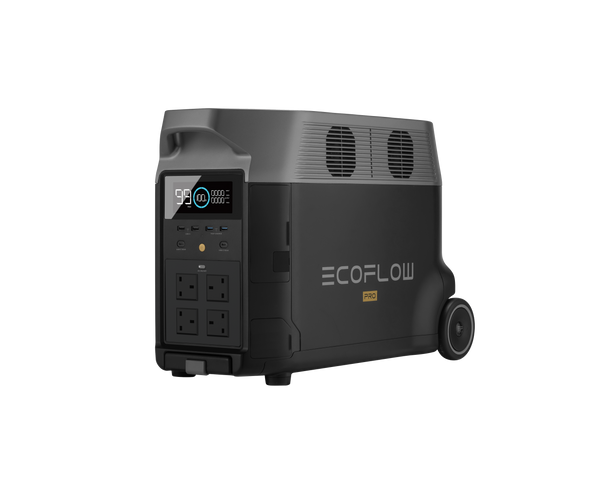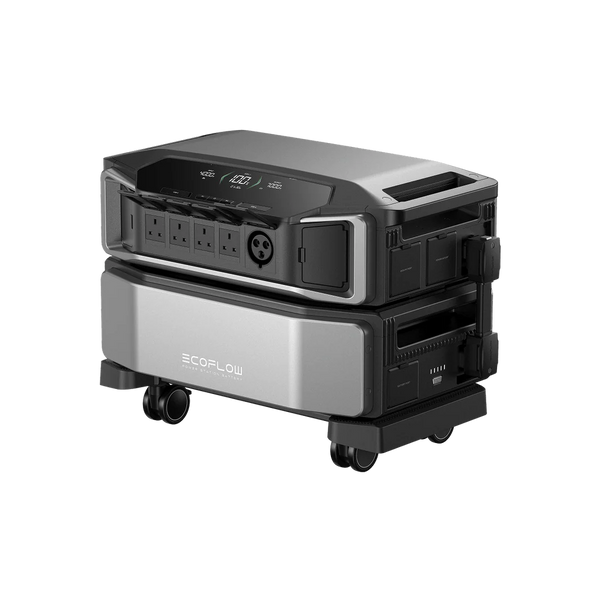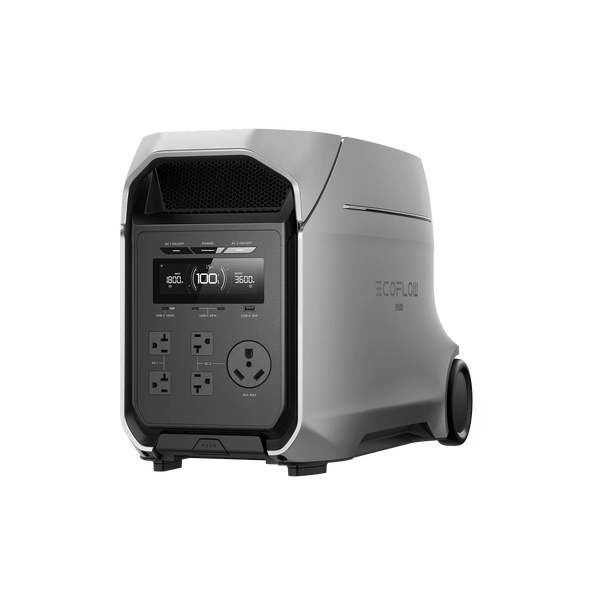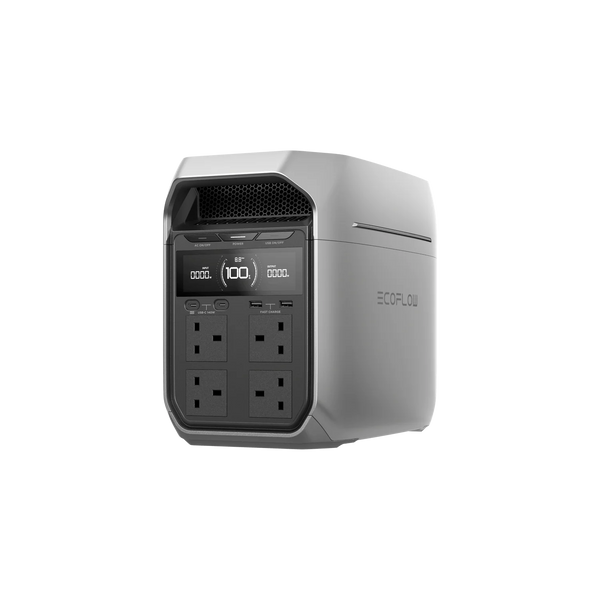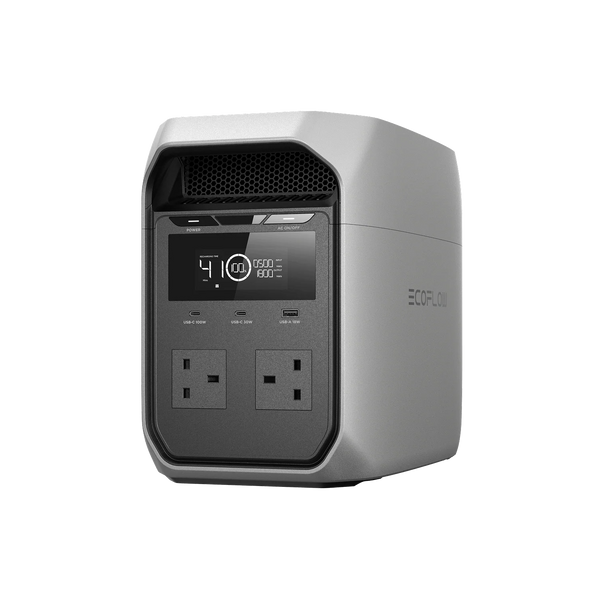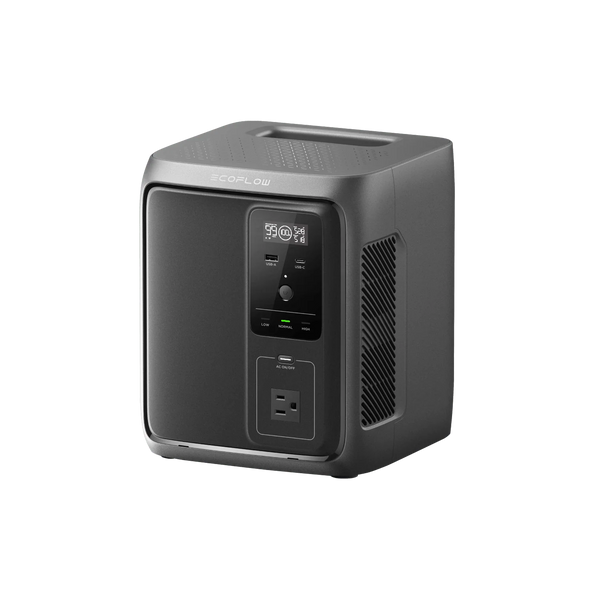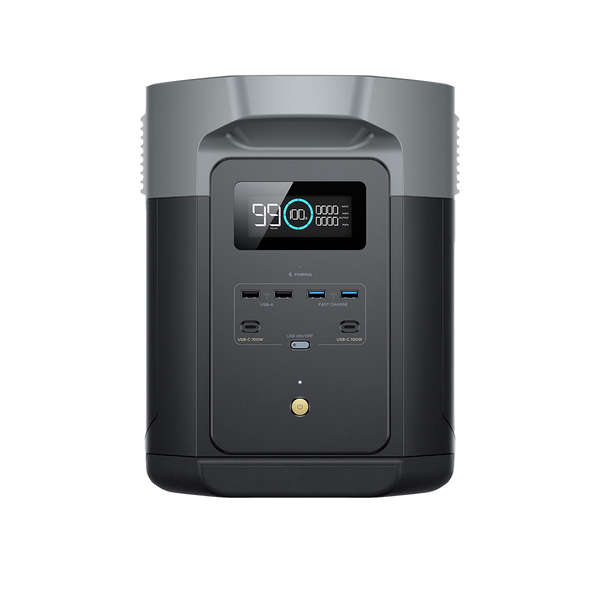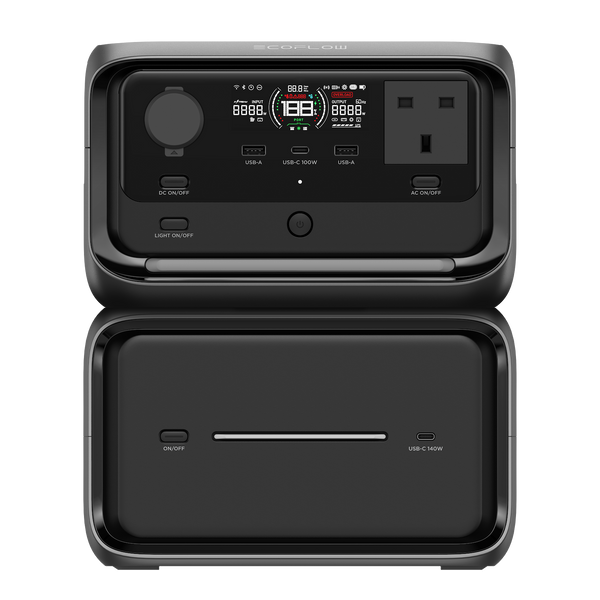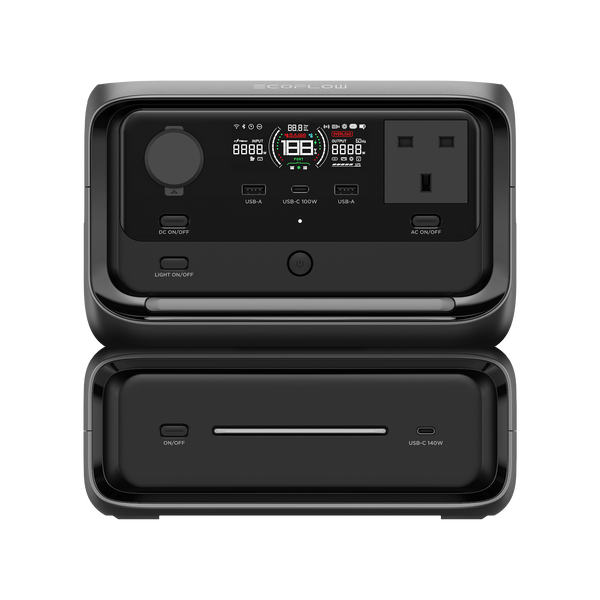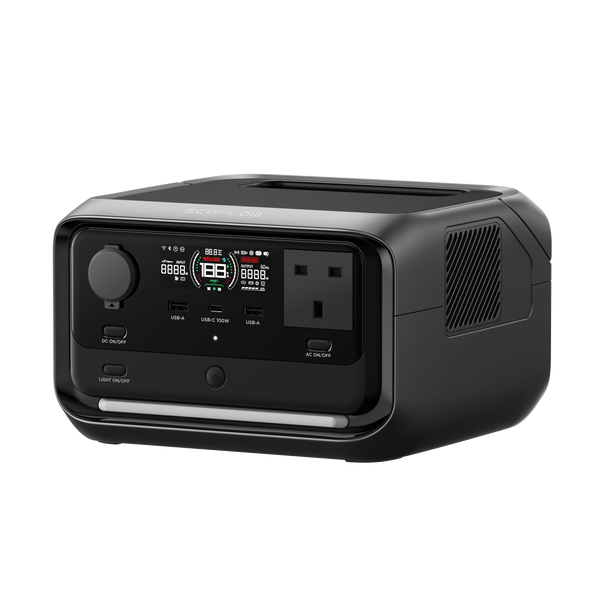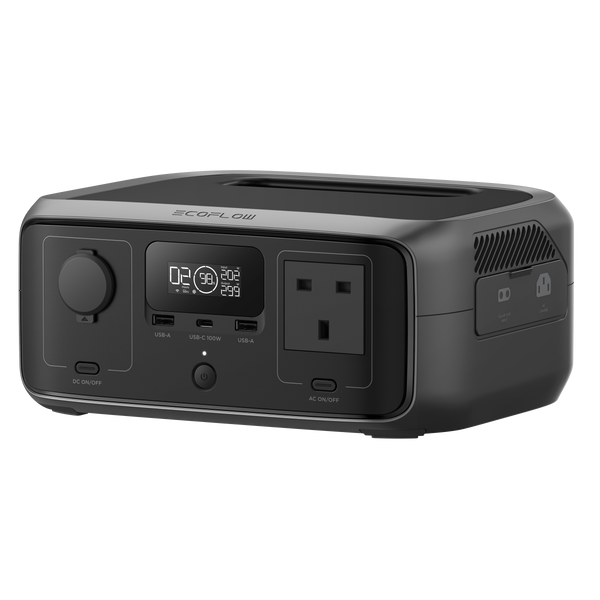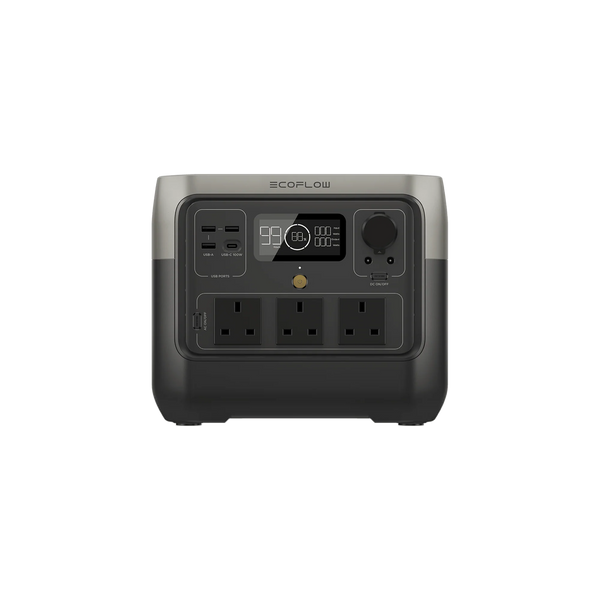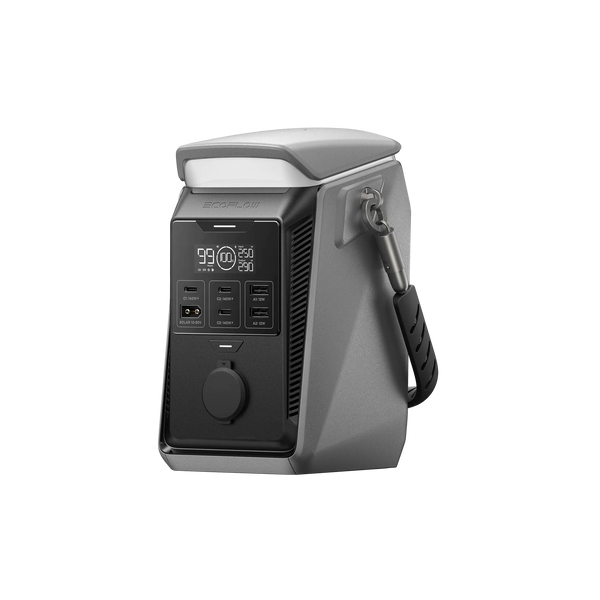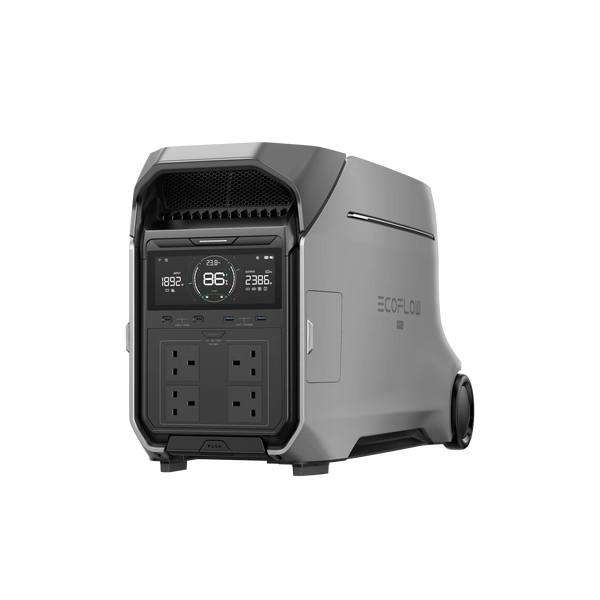
DELTA Pro 3
Expandable to 48kWh | 4000W
RM 15,999
DELTA
Solar Panels
Extra Battery

Use case · night market and F&B
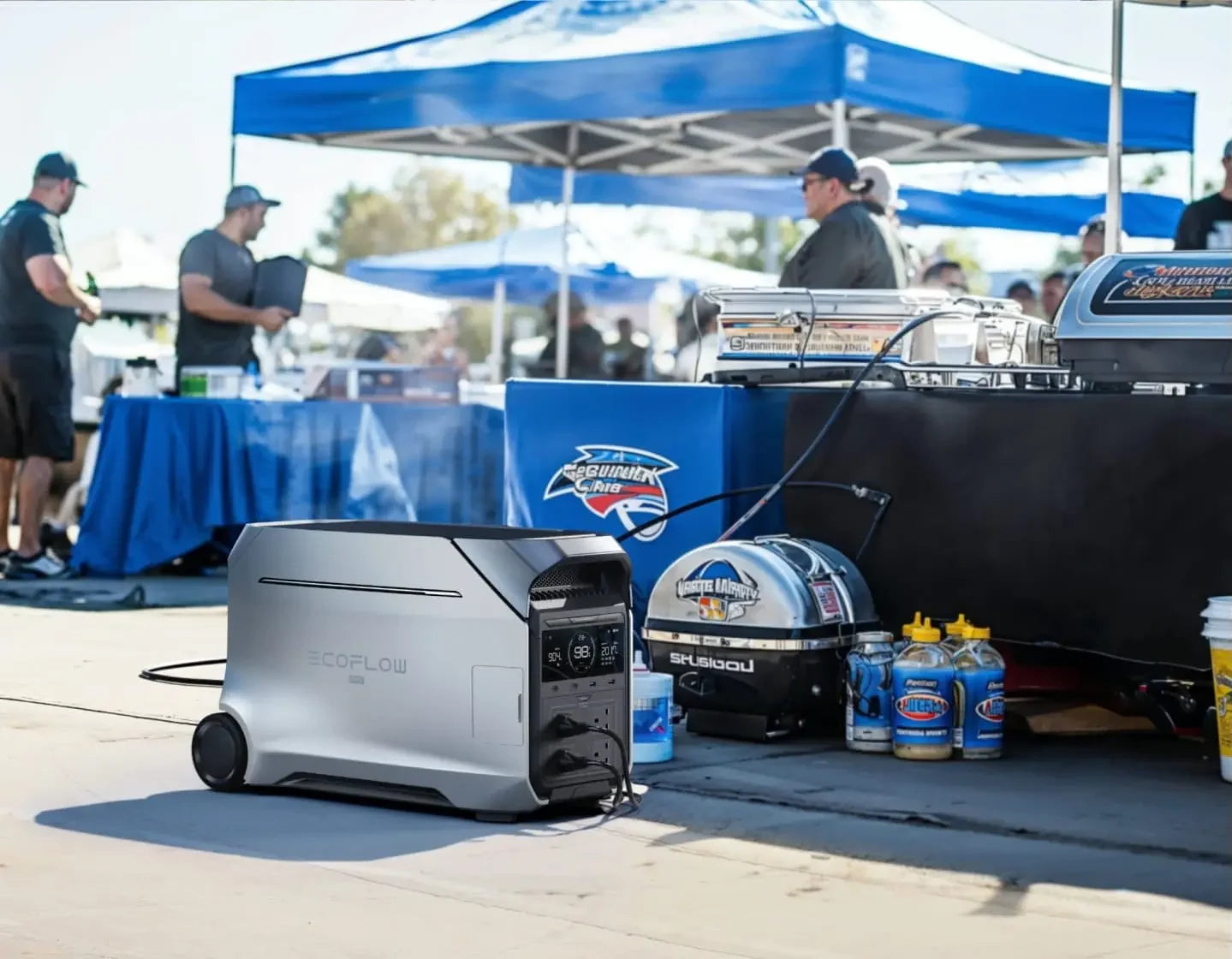
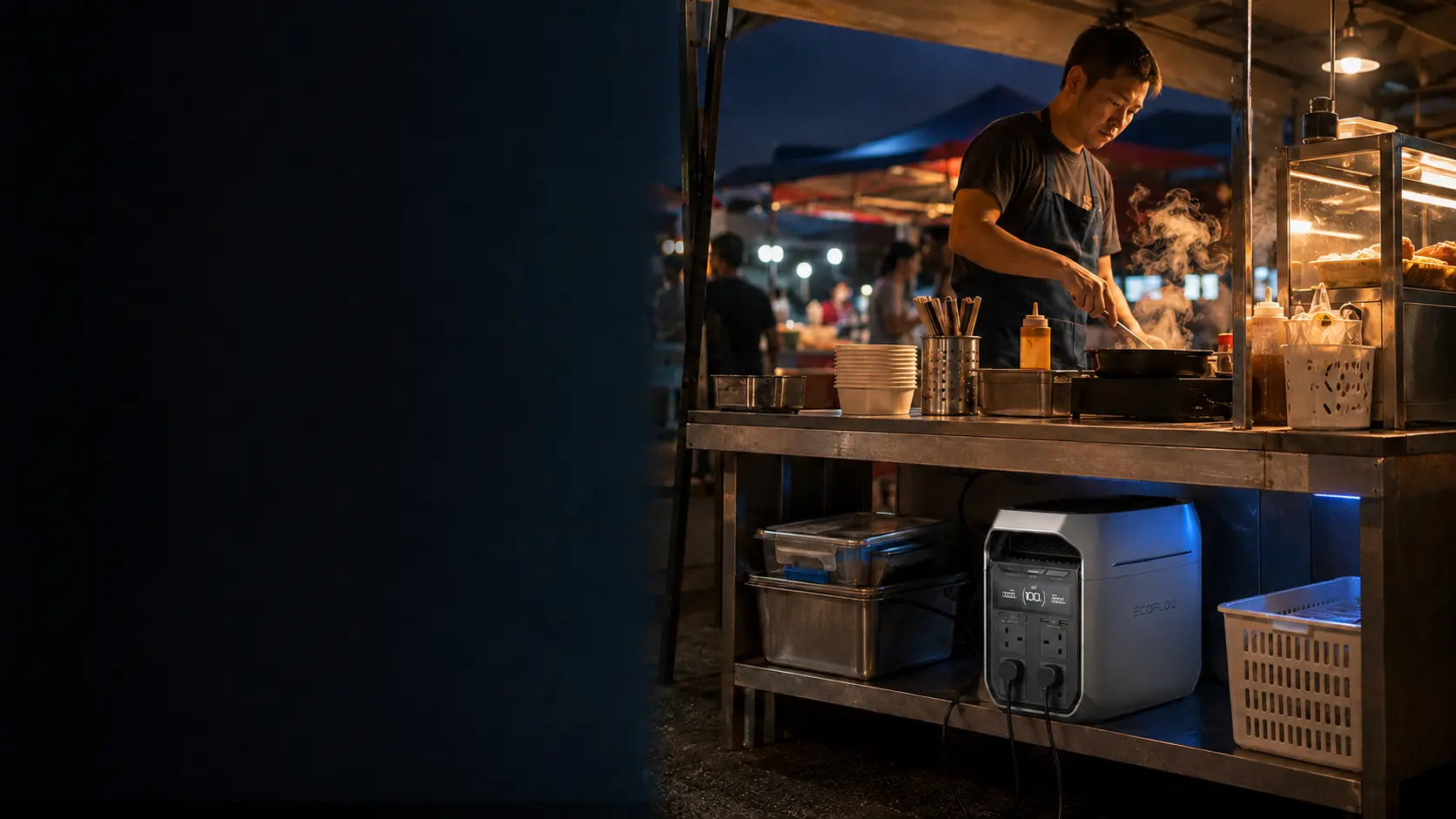
Pasar malam, a weekend bazaar, a food truck on a private lot. Lights, a blender, a chest freezer and the card terminal, without a generator behind the stall.
Start here
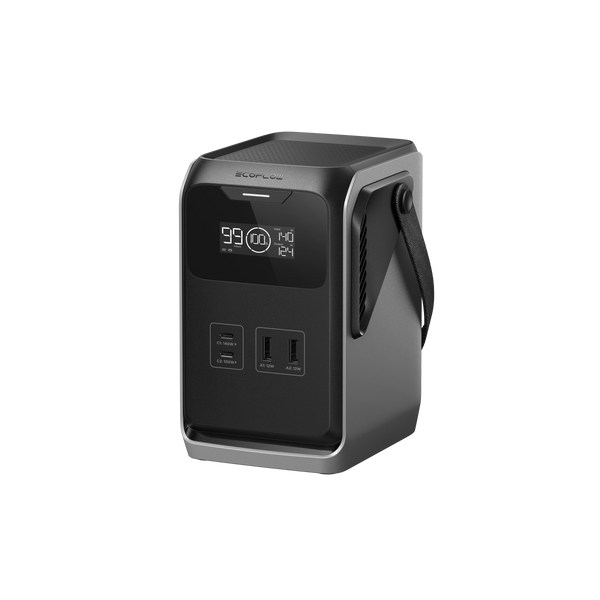
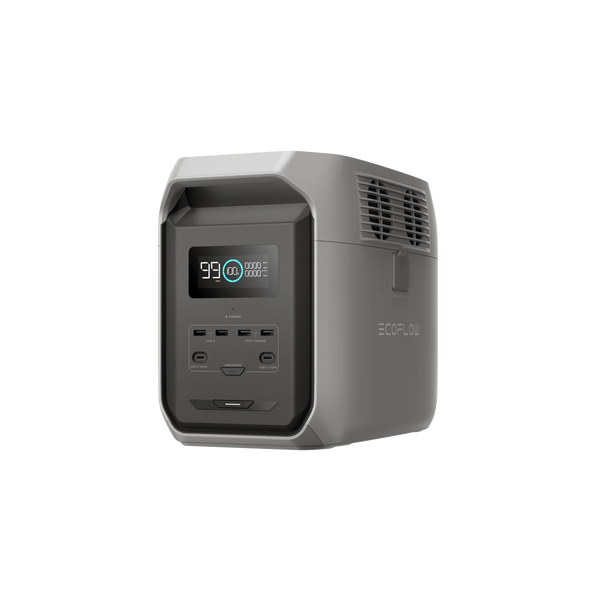
DELTA 3 1500
RM 4,799
or RM 200 a month over 24
In stock, ships from Malaysian stock
Warranty 2 yr unit · 5 yr battery, claimed in Malaysia
Free delivery over RM 2,000
Stall power is usually rationed, shared or absent. A battery unit removes the argument: it runs the lights and the terminal all evening, and a bigger unit carries a freezer or a blender through the peak hours.
Watch the surge, not the average. A blender or an ice shaver spikes several times its rated draw, so size on peak output rather than capacity alone.
Stall lighting, four LED bars
80W
All evening
Card terminal and speaker
25W
All evening
Chest freezer
90W average
~16 hours
Commercial blender, in bursts
1200W peak
150+ blends
Runtimes are calculated against the first unit recommended below, at 90% inverter efficiency. Real figures move with ambient temperature and how hard the appliance cycles.
Load studio · night market and F&B
A stall is the strictest sizing job here: five and a half hours, a fixed unit, and no chance to swap mid-service. Charge on mains at home during the day, then scroll the trading window.
Everything in the frame is a control. Tap a unit along the top to swap the battery, tap a charge source on the left to add or drop hours of it, tap a load on the right to switch it off, and tap a number at the bottom to change how many days you are out. Amber is mains charging, pale blue the solar panel, blue the output to your loads. DC loads skip the inverter and cost about 10% less than the same appliance on AC.
State of charge across the trip
The verdict
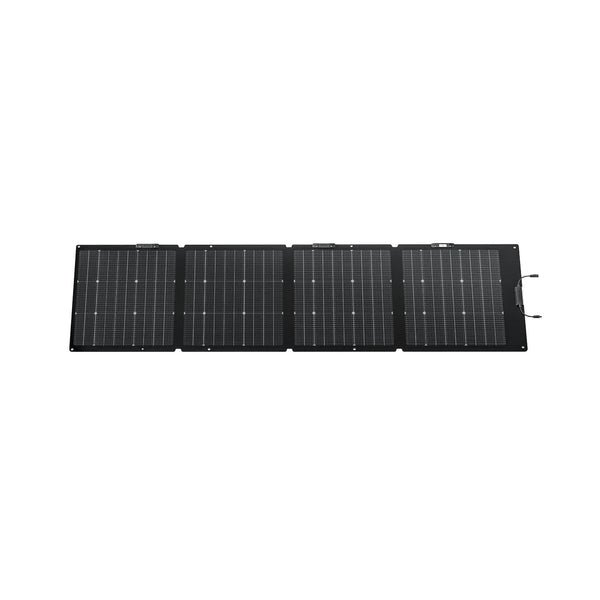
Add the 220W Bifacial: four hours of sun is about 546Wh back into the pack.
Used per day
10,397Wh
Put back per day
3,000Wh
Lowest it gets
0%
Runs out
Empty at 19:00, night 1
The EcoFlow gear in this trip
Actual consumption will vary with how you use it. Appliance ratings differ between makes and models, a compressor cycles harder in heat, a fridge that is opened often works more, and battery capacity falls in high ambient temperature. Treat every figure here as a worked estimate for planning, not a guarantee of runtime. A model, not a promise. AC loads carry a 10% inverter loss, DC loads none; solar assumes 62% of panel rating over a Malaysian day; the alternator figure assumes the engine is actually running. Heat, a tired fridge seal and a hard-cycling compressor all move it.
One full day · 1.3 kWh
Setup, 18:00
Lights up, chiller pulled down
170W
170Wh
Peak, 19:00-21:00
Lights, chiller, card terminal, blender in bursts
300W avg
600Wh
Late, 21:00-23:00
Lights, chiller, terminal
195W
390Wh
Teardown
Lights only
80W
40Wh
A representative day, not a maximum. Add a second fridge or a heating element and the figure moves - send us your list and we will do it properly.
Usable energy after inverter losses, how much of one 1.3 kWh day it covers, and how long a full refill takes on the .
Model
Capacity
Output
Covers
Solar refill
Usable energy is 90% of rated capacity. Solar figures assume the panel earns about 62% of its rating over a Malaysian day - clear morning, cloud after two, no shade on the array.
The arithmetic
Lights 60W, chiller 90W, terminal 20W and a blender at 400W in bursts averages about 250W. Five hours of trading is 1.25kWh — a 2048Wh unit trades two nights on one charge.
Who buys this
Pasar malam traders, food trucks, coffee carts and event caterers.
Season and climate
Rain shortens trading and heat lengthens the chiller’s duty cycle. Both argue for headroom.
Where people do this
Four things that change the outcome more than the size of the battery does.
01
Know the peak, not the average
A blender and a kettle together is the number that trips a small unit.
02
LED lighting only
Two 20W bars light a stall. Halogen eats a third of your pack by nine o’clock.
03
A card terminal on UPS
Losing payments for ten seconds costs more than the power did.
04
Charge overnight
Off-peak charging at home is the cheapest fuel a stall has ever had.
01
Sizing on the average
A blender or an ice shaver spikes to several times its running figure. Read the starting watts on the plate - that is the number that decides the unit.
02
Halogen lighting
Two halogen bars eat a third of the pack by nine. Two 20W LED bars light the same stall for the whole evening.
03
Charging on trading day
Charge overnight at home on off-peak. Arriving at 70% because you plugged in at four is how a stall closes early.
Why this one, for this
01
1800W starts a commercial blender and still runs the chiller beside it.
02
A five-hour trading night is 1.25kWh, so one charge trades two nights.
03
Cheapest unit on this page that clears the surge, which is the real test.
The kit, priced together
DELTA 3 1500 + 220W Bifacial
RM 6,098
RM 6,698
Save RM 600
RM 254 a month over 24, delivered free.
Kit pricing is indicative and confirmed on the quote. Add the items and we will apply it at checkout.
Add EcoFlow Care+ from RM 650 for whole-unit cover, or compare it against the other two below.
Stock
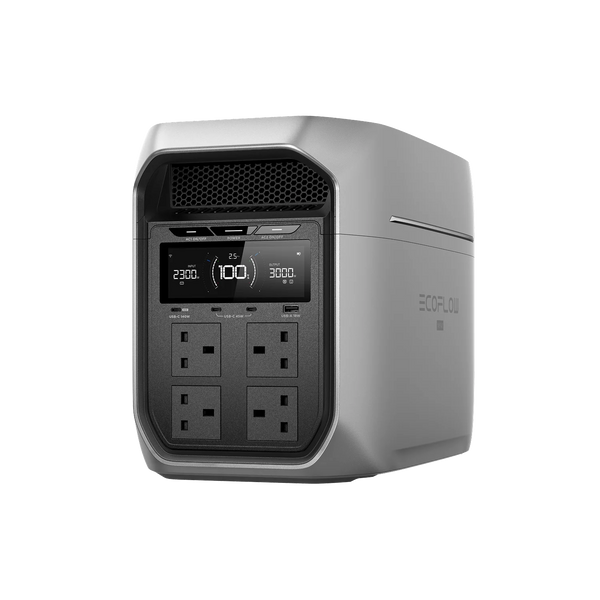
DELTA 3 1500
In stock, ships from Malaysian stock. Free delivery on orders over RM 2,000 — no grey import sitting at customs.
Warranty
2 yr unit · 5 yr battery
Claimed here on your invoice, no registration needed. Service centre in Iskandar Puteri, Johor. Read the policy.
If it goes wrong
Care+ from RM 650
Whole unit, not just the battery, with the inspection fee covered. See what Care+ covers.
A DELTA 3 size handles most single-motor units. Check the plate for starting watts — that spike, not the running figure, is what decides it.
Yes, on a DELTA 3 1500 or larger. Together they sit around 1200W, which is a comfortable evening on one unit.
Not to buy. It is cheaper to run, allowed where generators are not, and it does not put fumes next to food.
Appliances, hours, and whether it has to survive a whole weekend without sun. That is enough to name one model instead of three.
RM 4,799 · RM 200/mo